
Smartwatch Sleep Tracking: The Science Behind Your Nightly Sleep Score
Target Keywords: how does smartwatch track sleep, rem sleep tracking accuracy, improve sleep score, best wearable for sleep
The Angle: A deeply educational, scientific-yet-accessible look at bio-hacking and wellness data that helps users understand what their watch is telling them.
Content Outline
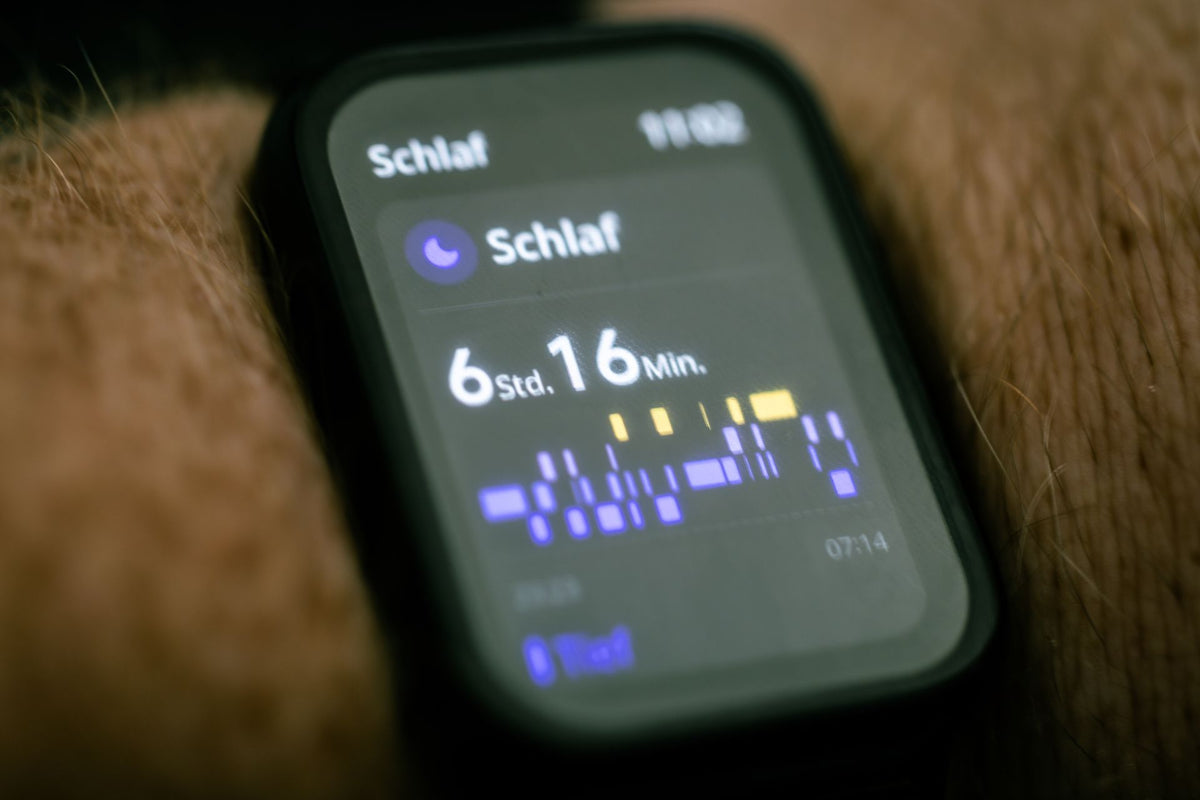
Introduction: You wake up feeling exhausted, but your watch says you got a sleep score of 84. What do these numbers actually mean, and how does a sensor on your wrist know you're dreaming?
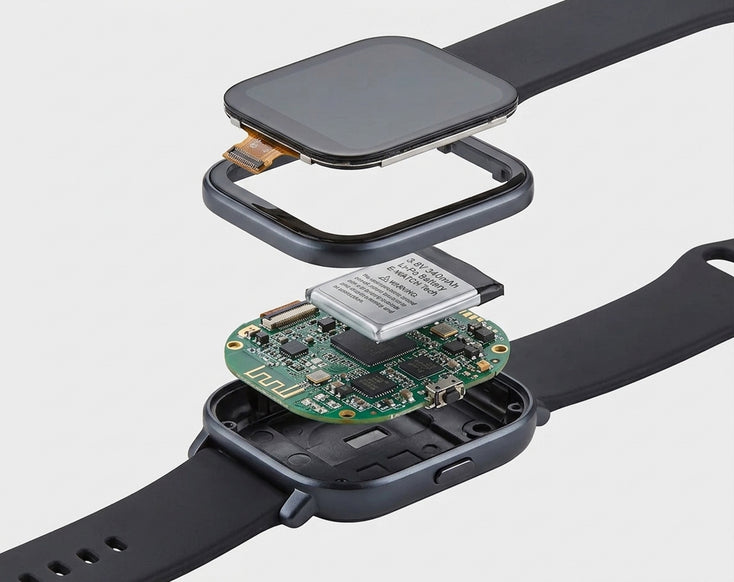
The Technology: Photoplethysmography (PPG) & Accelerometers:
Explain how the green light sensors measure heart rate variability (HRV) and how movement sensors detect tossing and turning.
Decoding the Sleep Stages:
Light Sleep: The transition phase where heart rate slows.
Deep Sleep (Slow-Wave): The physical recovery phase where muscles repair and tissuegrows.
REM Sleep: The cognitive restoration phase where dreaming occurs and memories are filed away.
What Affects Your Sleep Score?
The drastic impact of alcohol or late-night meals on resting heart rate and HRV.
How stress and screen time before bed disrupt your nervous system.
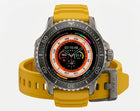
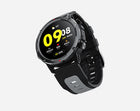
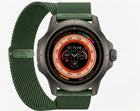
The Comfort Factor (The Missing Link): Why a heavy, sweaty strap causes micro-awakenings. The argument for switching to a lightweight, breathable braided nylon strap specifically for bedtime.
Actionable Tips to Improve Your Scores: Consistent wake times, optimizing room temperature, and setting a winding-down routine.
Conversion Strategy: Feature your "Sleep-Optimized Straps" (ultra-soft, elastic nylon loops) as an essential upgrade for anyone using their watch primarily for wellness and overnight monitoring.